 Megan Navarro
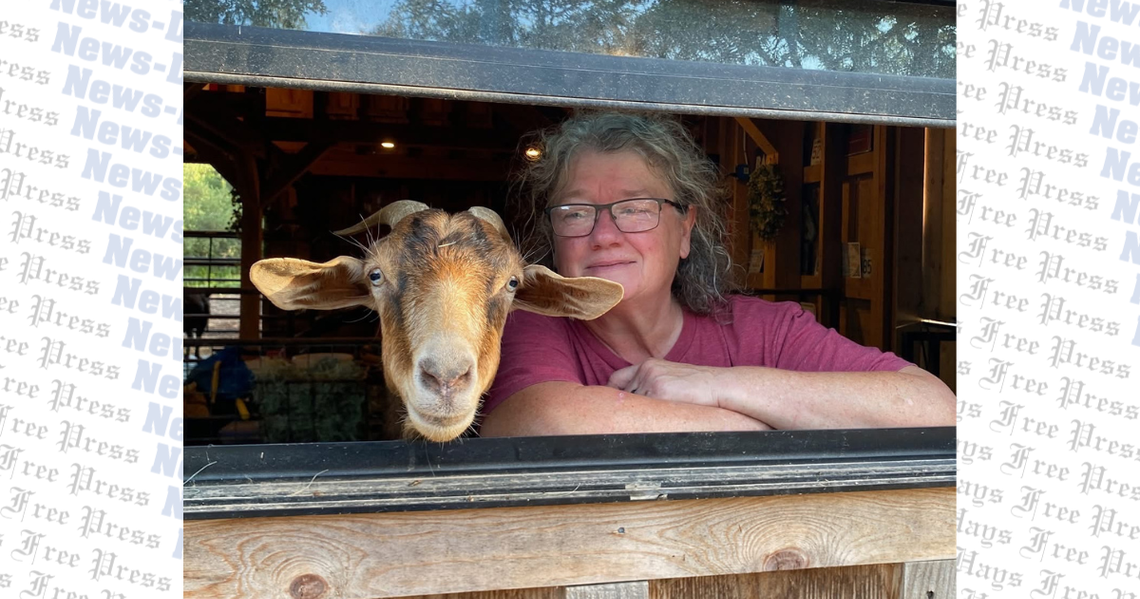
DRIFTWOOD — A couple went from the tech world and turned into farmers after purchasing their own piece of the Texas Hill Country in search of a fully regenerative farm, self-sustainable gardens and animal sanctuary.
The idea behind Fluffy Bottoms Farms in Driftwood started back when Leslie Fishlock and her husband, Chris, bought the property in 2016 after feeling burnt out from their previous careers. Working in the industry since she was 18 years old, Fishlock had been involved in technology through multiple avenues, whether it was working for a startup that got venture funded or launching her own development company with her husband.
After feeling like it was time for a change — and a move to Texas from California to be closer to family — the two decided it was time to pursue another dream of settling down, having some chickens for fresh eggs in the morning and living the small farm life.
“I had siblings in Houston and Dallas who had been here for like 25 years, so it was just getting that time where it was like, ‘Hey, maybe you want to look at being down in Texas more often.’ We did like Austin at the time, but I didn't want to live in Austin, so we kind of found in Driftwood a perfect place and we've kind of made everything here,” she explained. “We didn't know anything about fencing, anything about shelters, anything about animals, but we invested in a tractor and taught ourselves how to provide fencing [and] build gardens.”
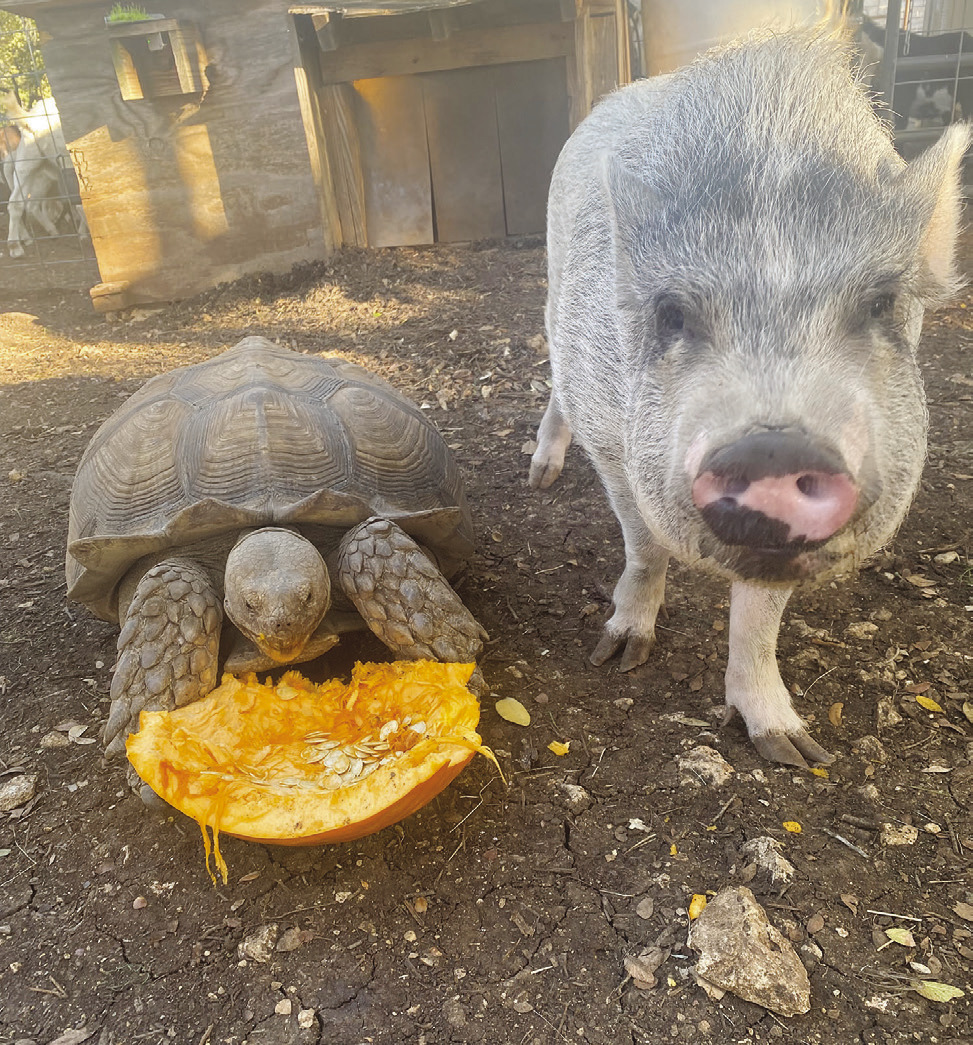
They started out with chickens and dogs that they had rescued prior to moving to the farm, but that later turned into more animals: sheep, goats, donkeys, a tortoise, pigs, ducks, guinea fowl, turkeys, geese, sugar gliders and cats.
“Even though I saved, re-homed [and] rescued animals before, there was no intention to have a rescue [or] re-home here … but when you got the chickens and people saw a farm, they said, ‘Oh my God, I’ve got a sick goat,’ and then, it went on from there,” Fishlock explained. “Someone found a lamb in a field and didn't know what to do with it, so they brought it here and I didn't know the first thing about bottle-feeding a baby lamb. So, I learned a lot that day and it just kind of grew from there.”
The COVID-19 pandemic also caused an uptick of the animals on the farm, as, according to Fishlock, about 90% of the people who had gotten pets at the time probably shouldn’t have in the first place and they were showing up at the front gate with their animals.
“It was just really sad, but we are just trying to create a place where they’re here for the rest of their lives,” she said.
According to Fishlock, there’s approximately 85 chickens and 175 total animals that are at Fluffy Bottoms Farms. While those numbers may seem high, she emphasized that they work with the animals every day to ensure that there are not any problems, but they also are able to introduce the animals to tour groups that come visit. They get visitors from schools, camps, the Texas School for the Deaf, homeschool groups and more.
In addition to the animals, Fishlock and her husband pride themselves on having a fully regenerative farm. This is done through the following: a focus of minimal waste and by having a garden by their house that sustains them for the year; another garden that they will begin work on in February; compost; reclaimed water systems; and rainwater collection.
Fishlock has various goals for Fluffy Bottoms Farms, including getting a gift shop — where she can sell her handmade products, like goat’s milk soap, that help offset the costs of running the farm — off the ground.
She’s also looking at being able to sell layer chickens at four months old that she’s incubated and raised, which would also help sustain the farm: “Any of the animals we bring in that are rescues or rehomes do not get sold. They're here for life, but anything to do with chickens or ducks that we've had here and they lay eggs, we incubate those and create more ducks and chickens.”
However, she is really targeting the educational component, where they can start having classes to share their insight to help people who want to have their own farm, but don’t know where to start.
“Right now, there's just so many people who want to get into regenerative farming, who want to get into small farm holdings. They want to be able to milk their own goat. They want to be able to raise chickens or any other poultry or something like that,” Fishlock said. “We try to help now answer any questions we have and you don't need a lot of land. You could get one acre. You don't have to have a lot of animals to have, you know, the desired effect of what you want, but, hopefully, we can get people in the right direction.”
“I just want to help create a place for people who can't have their own farms or can't have the animals that they like; they can come here,” she added. “We let people sit in the picnic area and brush donkeys. It's the most stress-relieving thing in the world. It's the best.”
More information about Fluffy Bottoms Farms can be found at www.fluffybottomsfarm.com.