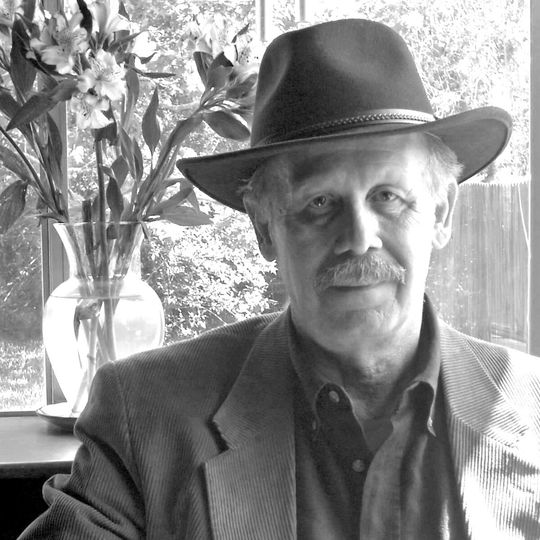
 Bartee Haile
Billy Dixon and his four surviving companions waited for help on Sep. 13, 1874 or the return of an Indian war party, whichever came first.
For the second time in three months, the 23 year old West Virginian was up to his ears in hostiles. Buffalo not frontier notoriety was Dixon’s game, but he had an uncanny knack of winding up in death-defying dilemmas.
By the winter of 1874, the northern tip of Texas was swarming with buffalo hunters eager to collect the four-dollar bounty for every shaggy hide. Old Adobe Walls, site of a fierce fight with five tribes a decade earlier, sprang to life with a general store, blacksmith shop and saloon.
This alarming activity attracted the attention of Quanah Parker, the Quahadi Comanche war chief who grasped the strategic significance of the High Plains. If the white intruders were not evicted immediately, it was only a matter of time until the prize hunting grounds were lost forever.
Parker rallied the same affiliated bands that had driven a Kit Carson-led column back to New Mexico in 1864. To boost the braves’ morale, the clever chief supplied them with a “bullet-proof” war paint recently perfected by his medicine man.
At the crack of dawn on Jun. 27, 1874, seven hundred Indians struck Adobe Walls intent on slaughtering the hated hunters in their sleep. But most of the 29 transients had been up for hours fixing a roof that collapsed during the night. Volleys from their 50-caliber Sharps repelled the attack and held their own casualties to three men trapped in a wagon.
Rather than risk a second all-out assault, the Indians resorted to hit-and-run raids for the next two days. Superior firepower and abundant ammunition enabled the prairie marksmen to keep them at bay without suffering so much as a scratch.
During a lull in the siege, Billy Dixon fired the most amazing shot in the annals of the Old West. He aimed his “Big 50” at a human target on a distant bluff, squeezed off a round and was as surprised as everybody else when the bullet hit the mark. The fantastic feat later measured 1,538 yards -- nearly nine-tenths of a mile.
The outgunned Indians departed a couple of days later and took out their frustration on innocent settlers across New Mexico, Kansas, Colorado and western Texas. Meanwhile, the coincidental comrades at Adobe Walls, including a dandy named Bat Masterson, went their separate ways.
Running low on hard cash two and a half months later, Dixon agreed to blaze a trail across the Panhandle for an army expedition. From a camp southeast of modern Pampa, he set out on Sep. 11 with fellow scout Amos Chapman and four troopers to deliver dispatches to a fort in the Indian Territory.
Shortly after sunrise the next morning, a war party of 125 Comanches and Kiowas came upon the tiny contingent a few miles south of the Washita River. Scanning the flat terrain for cover, the whites retreated to a depression called Buffalo Wallow, where passing bison frequently frolicked in the soft soil.
The Indians concentrated their fire on the horse tender killing him on the first pass. The animals scattered to the four winds with the entire supply of food and water.
The battle raged into the afternoon as wave after wave of warriors pressed the attack. Careful not to waste a single precious bullet, Dixon and his comrades held their own while sustaining at least one wound apiece.
Realizing their most effective weapon was thirst, the Indians patiently withdrew to allow nature to take its agonizing course. Sooner or later the whites would make a break for water, and that would be the end of them.
But nothing is more unpredictable than West Texas weather. Storm clouds appeared from out of nowhere and drenched the battlefield with a heavy downpour. In a matter of minutes, water was ankle-deep in the wallow, and the parched defenders drank their fill.
The lightly clothed Indians shivered in the cold rain. Deciding five sharp-shooting trespassers were not worth catching their death, the warriors moved on after dark in search of easier prey.
Without any means of transportation, Dixon and his men had no choice but to wait for rescue. They cleaned their wounds and tried not to think about food.
Seventy-two hungry hours later, help finally came. Except for the soldier slain while holding the horses, the rest had survived the harrowing ordeal.
For their trouble as well as their heroism, the five survivors were awarded the Medal of Honor. The nation’s most coveted combat citation was presented to Billy Dixon in a ceremony at Adobe Walls.
Dixon defied the odds dying in bed of pneumonia in 1913. He was later reburied at the site he made famous -- Adobe Walls.
Read the whole story of Bonnie and Clyde and other Thirties outlaws in“Texas Depression Era Desperadoes.” Order your autographed copy today by mailing a check for $24.00 to Bartee Haile, P.O. Box 130011, Spring, TX 77393.