 Lance Winter
WIMBERLEY— More than 200 acres of family-owned ranchland just upstream of Blue Hole Regional Park will remain protected under a conservation easement held by Hill Country Conservancy.
The agreement permanently protects 200.73 acres of Cypress Acres Ranch, preserving creek frontage, wildlife habitat and agricultural land, just north of Wimberley Square. The Gumbert family has cared for the property for more than six decades.
Frank Davis, Chief Conservation Officer for Hill Country Conservancy, said the agreement will help preserve a significant stretch of land along Cypress Creek as the surrounding area changes.
“Wimberley and the Hill Country are changing at an astounding rate that is obvious to residents and to most visitors,” Davis said.
The ranch contains 2,087 feet of Cypress Creek frontage and 11,567 feet — about 2.2 miles — of tributaries that feed the creek. Blue Hole Regional Park lies about one-third of a mile downstream, according to an assessment of the property.
Davis said the ranch’s location makes its protection particularly important to the creek and the park.
“It is well established that preserving the surface of a property from substantial development reduces runoff and mitigates flood risk, while enhancing infiltration and recharge,” Davis said. “This is most effective on lands that are closer to major waterways, such as Cypress Creek.”
The property assessment describes how preserving vegetation along waterways and surrounding uplands can stabilize soils, slow floodwaters and help filter pollutants, including fertilizers and herbicides. Those protections can benefit water flowing beyond the ranch’s boundaries.
The ranch also includes a tributary, dubbed “Plum Creek” by the owners. The assessment documents signs of flooding along that drainage, including damaged fencing, a damaged bridge and erosion along creek banks. Streams and water quality buffers were mapped through fieldwork and geographic data to help identify areas for protection.
Under the easement, the ranch must remain a single parcel, with a limited number of homes. Development cannot harm Cypress Creek or other water resources, Davis said, and significant habitat areas are protected.
“The property will never be a gravel quarry or contain any commercial cellular towers,” he said.
Existing uses will continue, “There will be no change to the cabins and agricultural operations,” Davis said.
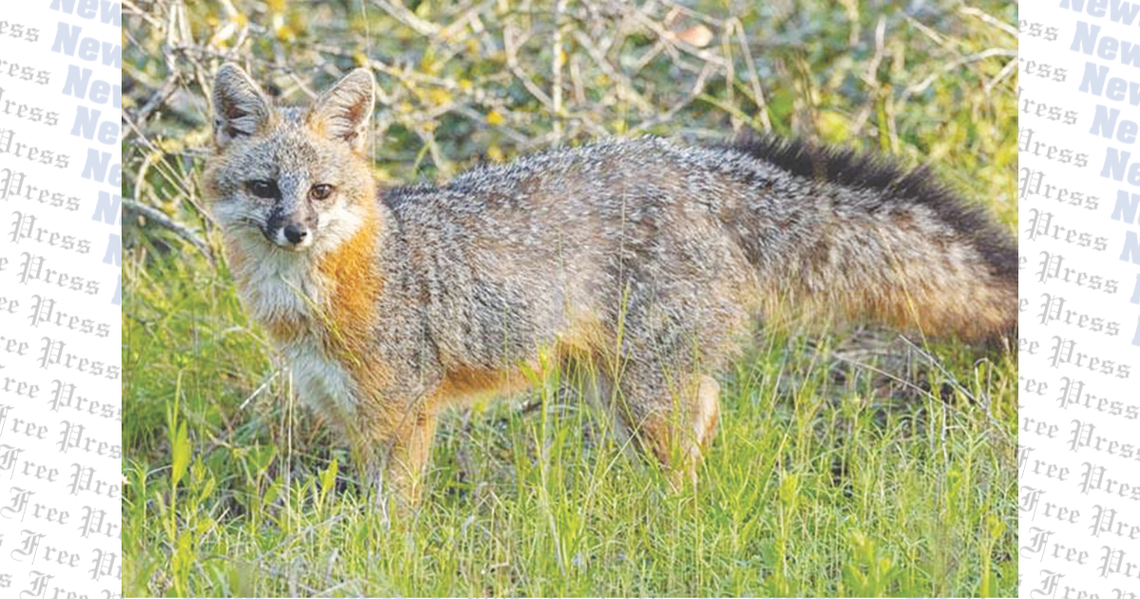
The conservancy has also documented the ranch’s importance to wildlife. More than 70 bird species, including golden-cheeked warblers, have been recorded on the property, according to the conservancy.
Bird surveys were conducted by Rich Kostecke, a certified wildlife biologist on the conservancy’s team who holds a doctorate in conservation biology.
“Development is limited to areas outside of significant habitat and land management will be conducted to promote long-term ground cover and native biodiversity,” Davis said.
The easement was funded through two conservation programs. The federal Natural Resources Conservation Service awarded funding to Hill Country Conservancy and its partners through the Regional Conservation Partnership Program. Davis said the ranch was selected through a competitive process.
That funding was matched by an award from the Texas Parks and Wildlife Department’s Texas Farm and Ranch Lands Conservation Program, though Davis said the conservancy does not typically disclose funding amounts for individual projects.
The protections will continue if ownership changes, as Davis said the conservancy will conduct regular monitoring visits and work with current and future landowners to uphold the agreement.
For Davis, the significance of protecting Cypress Acres Ranch will become more apparent over time.
“The legacy of our work will become increasingly visible as the landscape surrounding protected lands continues to change,” he said.
He described conservation as a gift to future generations who will need clean water and opportunities to enjoy the outdoors.
“We sincerely believe that those future generations will cherish the legacy we are building today,” Davis said.