When new technology meets art, it sometimes creates a crisis — not necessarily a disaster, but a crossroads. That’s what “crisis” really means: an intense moment of decision.
As a young woodworking apprentice, I had a front-row seat to one. I watched my mentor lock philosophical horns with a magazine editor over whether the newly affordable CNC — a wood-cutting robot — had any place in “real” woodworking. The argument spontaneously combusted at a woodworking convention, drawing a crowd. We all understood the question: Was this real woodworking?
Wannabe music historians like me know about the night in 1965 when Bob Dylan plugged in an electric guitar and infuriated half the Newport Folk Festival crowd, while delighting the other half. The boos might have stopped another performer, but Dylan knew it was good — or perhaps he couldn’t hear them over his electrified devil music.
With one fuzzy chord, he lifted folk purists from their happy acoustic campfires and dropped them into a decision they probably didn’t want to make. “How does it feel?” he taunted. Pete Seeger responded, legend has it, by threatening to take an ax to the sound cables.
The part we don’t hear about is what happened at the planning meeting for the 1966 festival. Or what I’m guessing happened. Someone now had to decide how electric guitars fit into the event. They needed a rule and any rule might alienate half the crowd.
A couple of years ago, the board of the Wimberley Valley Art League, to which I belong, faced a similar crossroads. Our gallery committee was receiving an increasing number of digitally created entries and wasn’t sure what to do with them.
Some members were doing what good artists do: pushing the boundaries of tools and techniques. Old methods aren’t always the best means of expressing new visions. If you’re lucky, you might be alive and making art when an entirely new toolbox drops from the sky.
And one has. The digital revolution has rolled into the studio, forcing art organizations everywhere to decide how they feel about it.
On one hand, hanging computer-made art beside work made with brushes might seem strange and unfair. Maybe a “real artist” expresses something using traditional tools: a paintbrush, a hand plane, an acoustic guitar.
On the other hand, maybe art begins with the vision that forms in the mind before it becomes physical. Digital media may allow people with less experience using traditional tools to express themselves vividly. Maybe excluding those media could deprive our community of some beautiful work.
Maybe you’re getting all worked up reading this, wanting to set me straight about what art is and isn’t. If so, then you understand the emotions behind this debate and why our gallery committee punted the question to the board. Will digital art fit under the umbrella of visual arts we have committed to “promote, inspire and support?”
Like every good artist we created a frame for our debate. We were not there to decide on what is and is not art, as if anyone ever could. We were simply there to choose what kinds of art our organization wanted to promote.
For our discussion, we considered four examples:
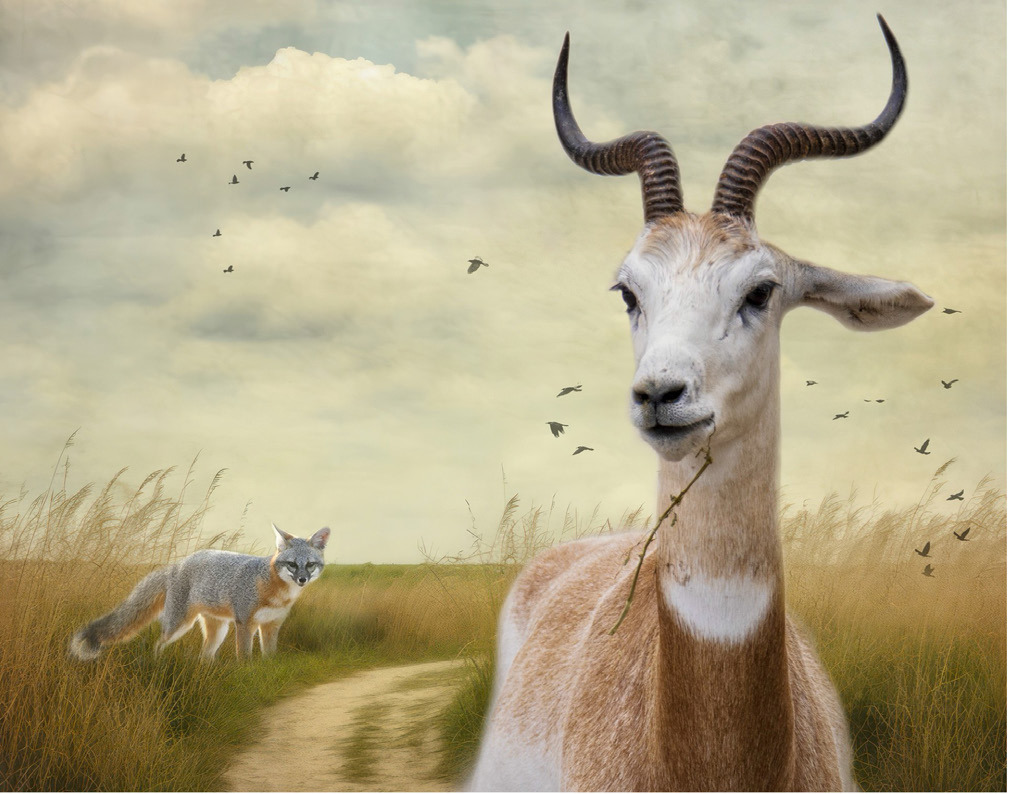
1. A photograph that has been digitally enhanced.
2. A collage assembled and stylized digitally.
3. A digital painting created on a tablet.
4. An image generated by artificial intelligence from a verbal prompt.
In the end, we decided to widen our tent to welcome the first three, but not the fourth. The first three generally begin with the artist’s vision and require the artist to manipulate the work by hand — using a mouse, stylus, trackpad or finger.
But we rejected AI-generated images. We concluded that describing a scene and allowing a computer to do the imagining doesn’t rise to the level of artistry we want in our juried shows.
All is now quiet on the gallery front since we defined these rules. The volunteers manning the intake desk now have clear guidance about what digital art to accept and what to refuse. But as new technologies keep appearing and improving and blurring lines between digital and traditional art and as our understanding of “art” never stops evolving, how long will it be before we have to revisit this question?